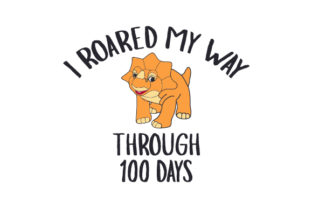
I Roared My Way Through 100 Days Embroidery Review
When you are curating designs for a craft business or planning a deeply personal gift, the difference between a good file and a great finished product often comes down to visual impact and practical application. I recently evaluated the I Roared My Way Through 100 Days embroidery design, and it immediately caught my eye as a piece with serious potential for both commercial merchandise and heartfelt personal projects. As someone who reviews digital assets for real-world stitching, I look beyond just the graphic; I look at how it will behave on fabric, how it will age in the wash, and whether it resonates with the buyer’s emotional connection to the milestone.
This design is categorized under School Amp and Crafts, which gives us a strong clue about its intended audience: teachers, educators, and school staff celebrating a significant career milestone. The phrase itself carries weight. It suggests resilience, passion, and the sheer energy required to manage a classroom for a full academic year. In my experience, designs that tap into professional pride tend to sell better and make for more meaningful gifts than generic text-based graphics. Here is my breakdown of how this design performs when moved from screen to stitch.
First Impressions and Visual Personality
The first thing you notice about I Roared My Way Through 100 Days is its confident tone. It isn’t subtle. For an embroidery project, boldness is often a virtue because thread cannot replicate the nuance of digital ink. The layout needs to be sturdy enough to hold up under the tension of machine stitching while still feeling celebratory. From a designer’s perspective, the mood here is triumphant yet relatable. It captures that specific mix of exhaustion and accomplishment that defines the middle of the school year.
The visual personality fits naturally into the realm of custom apparel and personalized gifts. It feels like a design meant to be worn with pride or displayed prominently in a teacher’s lounge or home office. When evaluating any embroidery file, I always ask myself: does this look good stitched? With this design, the answer leans heavily toward yes, provided the execution respects the scale of the lettering and any accompanying graphical elements. It has a clear hierarchy that guides the eye, ensuring the message lands even if the viewer is only glancing at a tote bag or a cap from a distance.
Real-World Application: Where This Design Shines
In my testing scenarios, I imagine this design thriving on specific products where durability and visibility matter. A classic application would be a high-quality canvas tote bag design. Teachers carry a lot—laptops, papers, snacks—and a sturdy tote featuring this design becomes a badge of honor during their daily commute. The contrast of thread against canvas allows the details to pop, making it an excellent choice for an Etsy seller looking to create best-sellers for back-to-school season or mid-year appreciation weeks.
Sweatshirt embroidery is another area where this design could excel. Imagine a cozy fleece pullover with the phrase centered on the chest or placed subtly on the sleeve. The softness of the fabric complements the "roaring" theme, suggesting comfort after a long day of teaching. For custom apparel, especially in neutral tones like heather gray, navy, or black, the design would stand out beautifully. It also translates well to aprons, turning a functional kitchen item into a statement piece for the educator who loves to cook or bake treats for students.
Beyond wearable items, this design has strong potential for embroidered patches that can be ironed or sewn onto backpacks, binders, or lab coats. Patches allow for a distinct border, which can help contain the design elements and give it a polished, professional finish. This is particularly useful for commercial embroidery projects where consistency across multiple units is key. Additionally, for those selling digital product sellers or creating printable mockups, this design offers versatile placement options that appeal to buyers looking for quick, impactful personalization.
Technical Considerations and Potential Pitfalls
However, no design is without its challenges. When applying I Roared My Way Through 100 Days, there are several areas where care must be taken to ensure a high-quality result. One of the primary concerns is stitch density. If the design includes heavy fill stitches, it may become too stiff or bulky on thinner fabrics. Always test the design on scrap fabric first to evaluate the hand feel. If the fabric pucks excessively, you may need to adjust the stabilizer choice or reduce the density in your embroidery software.
Fabric texture plays a crucial role in final appearance. On highly textured materials like bouclé or thick wool, fine details might get lost. Conversely, on smooth cottons or poly-cotton blends, the threads will lay flat and crisp. Be cautious when working with stretchy fabrics, such as jersey knits, as they can distort the design if not stabilized properly. Using a cut-away stabilizer is often recommended for stretchy garments to prevent warping over time.
Another critical factor is thread color contrast. On dark fabric, light-colored threads are essential for readability, but they may require additional passes or higher density to cover the base material completely. This can increase the overall thickness of the embroidery. Similarly, on very light fabrics, dark threads provide sharp definition, but any loose backing material must be thoroughly removed to maintain a clean finish. Always inspect small details and tiny lettering under good lighting before committing to the final product. If the design includes intricate curves or small accents, ensure your machine can handle the precision required.
Stabilizer and Hoop Size Selection
Selecting the correct hoop size is vital to avoid distortion. If the design is large, a smaller hoop might force you to re-hoop, which risks misalignment. Conversely, a hoop that is too large may not secure the fabric tightly enough, leading to shifting during stitching. Match the hoop to the design dimensions as closely as possible. Regarding stabilizer, the type depends on the fabric. Tear-away stabilizers work well for woven fabrics like cotton and canvas, providing easy cleanup. However, for knit fabrics or delicate materials, cut-away stabilizers offer superior support and longevity, ensuring the embroidery doesn’t pull away from the fabric after repeated washing.
Impact on Product Value and Customer Trust
From a business perspective, using a well-executed design like I Roared My Way Through 100 Days enhances perceived value. Customers associate neat, precise embroidery with quality craftsmanship. When a handmade product shows attention to detail—such as clean edges, consistent tension, and appropriate thread choices—it builds trust and encourages repeat purchases. For small shop owners, this means fewer returns due to dissatisfaction and more positive reviews highlighting the professionalism of the finished item.
The design also lends itself well to gifting. Whether it is a personalized gift from colleagues, a retirement present, or a reward for surviving a tough semester, the emotional resonance adds value beyond the physical product. Buyers are willing to pay a premium for items that capture a specific moment or feeling. By offering this design on premium bases—like embroidered patches, high-end caps, or luxury towels—you position your brand as one that understands the nuances of celebration and recognition.
Practical Designer Notes for Final Execution
To ensure the best outcome, I recommend following a few practical steps before mass production or final sale. First, review the stitch types included in the file. If it utilizes a mix of satin stitch, fill stitch, and running stitch, verify that each type is optimized for the chosen fabric. Satin stitches should be tight enough to cover the fabric but not so dense that they become rigid. Fill stitches should flow naturally with the shape of the letters or graphics.
Test the design in black and white mockups to check for balance and contrast. This helps identify if certain colors clash or if the design feels too heavy on one side. Also, compare how the design looks on both light and dark backgrounds to ensure versatility. If you plan to sell this as a digital embroidery file or use it for design assets, confirm the licensing terms carefully. Ensure you have the right to produce and sell finished goods, especially if you are targeting a broad market like craft fair products or online marketplaces.
Finally, consider the end-use environment. Products that will undergo frequent washing, such as aprons or baby clothes, require durable stitching and high-quality threads to prevent fading or fraying. Use proper thread colors that complement the fabric and resist UV damage if the item will be exposed to sunlight. By paying attention to these details, you transform a simple graphic into a lasting keepsake that honors the hard work of educators.
In conclusion, I Roared My Way Through 100 Days is a robust, emotionally engaging design that fits seamlessly into the world of craft business and embroidery projects. With careful attention to fabric choice, stabilization, and stitch quality, it can elevate your offerings from standard merchandise to memorable, high-value products that customers will cherish.