8th Grade Embroidery Design Review: A Practical Take
As an embroidery designer with years of experience, I’ve reviewed countless machine embroidery designs, from whimsical characters to minimalist logos. When I first saw the 8th Grade design, it struck me as something that could easily transition between casual and professional projects. The theme is clean, the layout feels balanced, and the overall vibe is both nostalgic and modern. It’s a versatile embroidery file that hints at school pride without being too flashy—perfect for a range of crafts and custom apparel.
First Impressions and Visual Personality
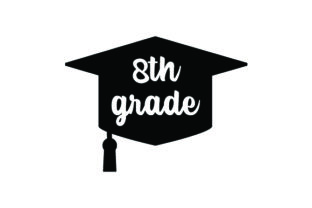
The 8th Grade design brings a sense of accomplishment and transition. It’s not just about grades—it symbolizes milestones like graduation or moving up in a school year. This makes it a great fit for personalized gifts, especially those aimed at kids, teens, or parents celebrating achievements.
Visually, the design has a friendly, approachable look. The typography is bold but not overly chunky, and the shape is compact enough to sit well on most items. It doesn’t scream for attention, which is a big plus if you’re aiming for subtlety in your handmade product. There are no intricate details that might get lost in translation when stitched, so even a beginner can expect good results with proper setup.
What Kind of Project Does 8th Grade Belong To?
- Tote bag design – Especially for back-to-school collections or gift bags for students.
- Sweatshirt embroidery – Looks great on hoodies or pullovers with a soft, understated feel.
- Baby clothes – If stylized appropriately, it could be used for milestone-themed outfits or nursery decor.
- Embroidered patches – A solid choice for adding a personal touch to backpacks or denim jackets.
- Pillow covers or tea towels – Works well in home décor items where a simple, elegant message is desired.
Real-World Application: How 8th Grade Performs
I recently tested this design on a custom sweatshirt project for a local boutique. The client wanted a line of cozy hoodies with embroidered text that felt “school-friendly” but not childish. 8th Grade fit the bill perfectly. The satin stitch along the letters gave them a polished edge, while the minimal use of fill stitch kept the weight light and breathable—important for everyday wear.
When applied to a tote bag, the design read clearly even after multiple washes. It didn’t pill or distort, which speaks to its structural integrity. That’s crucial for any craft business or Etsy seller looking to build customer trust through durable, high-quality finished products.
In terms of stitch density, the design handles itself well across different fabrics. On cotton blends, it looked crisp and neat. On a slightly textured linen blend, the stitches were still legible, though I did have to adjust the stabilizer type. For anyone working with varied materials, it’s worth noting that 8th Grade may require some tweaking depending on the fabric texture.
For digital sellers using printable mockups or digital embroidery files, the transparent PNG version allows for seamless layering and placement. The EPS format also holds up well in vector editing software, making it easy to resize without losing quality. These formats make it suitable for commercial embroidery assets, such as marketing materials or shop banners.
Where to Use 8th Grade Carefully
While the 8th Grade design is flexible, there are certain scenarios where caution is needed:
- Small hoop sizes – The design is fairly compact, but it still benefits from at least a medium-sized hoop to ensure all elements are captured accurately.
- Textured or stretchy fabric – Stitch distortion can occur if the fabric isn’t properly stabilized. A tear-away or cut-away stabilizer is recommended.
- Dark backgrounds – Thread color contrast becomes essential here. Consider using white or light-colored threads to keep the design visible.
- Curved surfaces like caps – While possible, the design needs careful alignment and possibly a smaller font size to maintain clarity.
- Dense stitch areas – Avoid overloading the design with additional embellishments unless you’re prepared to manage the overall stitch count and tension.
Design Notes for Small Projects and Decorative Uses
If you're planning to use 8th Grade on something like a small apron patch or a holiday gift tag, make sure to test it on scrap fabric first. You’ll want to see how the thread colors interact with the material and whether the lettering remains legible. Also, watch out for tiny lettering—while the main text is clear, any supporting text (if present) may need to be adjusted for visibility.
For nursery decor or holiday gifts, consider pairing the design with other subtle motifs. Since it's not overly detailed, it won’t clash with simpler patterns or borders. In fact, its clean lines make it a strong contender for brand consistency in small shop merchandise or craft fair products.
Stitch Clarity and Customer Appeal
One thing I always look for is how the design translates into actual stitching. 8th Grade performs admirably in this regard. The stitch clarity is sharp, with no unnecessary running stitches that might cause fraying or puckering. The visual appeal comes through cleanly, even on lighter-weight garments.
From a customer perspective, this design feels professional and thoughtful. Whether it's a personalized gift for a child or part of a small shop product lineup, 8th Grade adds value by conveying a sense of celebration and growth. It’s the kind of detail that makes a buyer say, “This is exactly what I was looking for.”
Boosting Product Value and Brand Recognition
Embedding 8th Grade into your design assets can elevate the perceived value of your items. As someone who works with handmade shop owners, I know that customers often judge the quality of a product based on how professional the embroidery looks. This design helps reinforce that professionalism.
It also contributes to brand recognition, particularly if you're targeting educational themes or youth-related products. Its simplicity means it can be used consistently across different product types—t-shirts, hats, patches, and more—without feeling disjointed.
Designer Tips Before Using 8th Grade
- Test on scrap fabric – Always do a trial run before committing to a full production batch.
- Check thread color contrast – Especially important on dark or patterned backgrounds.
- Review stitch density – Adjust settings for delicate or stretchy materials to prevent distortion.
- Confirm hoop size – Make sure your hoop accommodates the entire design comfortably.
- Inspect small details – Even minor imperfections can affect the final look, especially on close-up shots for online listings.
- Test in black and white – Helps determine how the design will appear if printed or used in grayscale.
- Use proper stabilizer – Tear-away works for most applications, but cut-away is better for stretchy or thin fabrics.
- Check licensing – If you're selling finished items or digital products, confirm whether the embroidery file allows commercial use.
Matching the Right Fabric and Project
My favorite use for 8th Grade so far has been on lightweight cotton tees and canvas totes. The design sits flat and maintains its structure, even after washing. For darker fabrics, I recommend using light thread colors to enhance visibility. And for those creating layered garments or accessories, remember to account for the thickness of the embroidery—especially if you're adding multiple layers or decorative accents nearby.
On stretchy knits, I found that adjusting the tension helped the design hold up better. Without these adjustments, the stitches had a tendency to pucker slightly. So don’t underestimate the importance of testing and adapting your machine settings.
Final Thoughts from a Designer’s Desk
8th Grade is one of those embroidery designs that quietly does everything right. It’s adaptable, expressive, and reliable. Whether you're an apparel decorator or a creative entrepreneur building a themed collection, this design offers a lot of mileage with minimal fuss.
Its strength lies in its simplicity. It doesn’t try too hard, which makes it feel genuine. That’s something that resonates with buyers, especially when they’re looking for personalized gifts or meaningful handmade products.
Still, like any good crafts asset, it requires some preparation and understanding of your materials. But once you get past the initial setup, it’s a dependable addition to your embroidery project toolkit. Just make sure to check the specifics like hoop size and license terms before diving in. After all, we all want our work to look great—and to stay within the rules of the game.